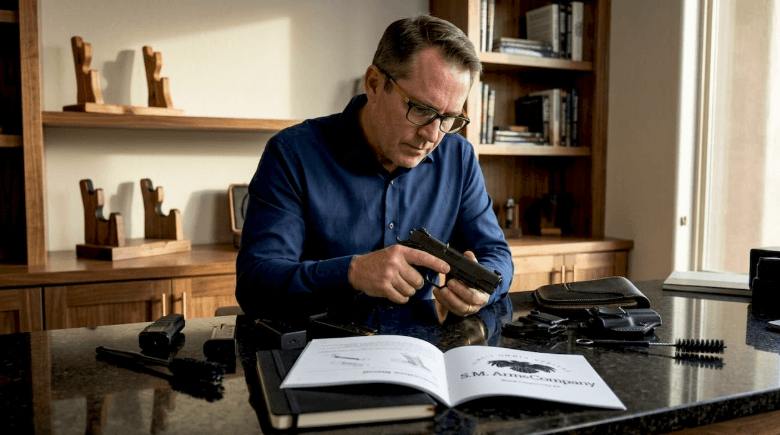
A small accessory can raise bigger questions than its price suggests. You might find something online that promises to fit your firearm. The description sounds convincing, and the photos show a familiar design. But a similar appearance does not confirm that two products belong together. Responsible ownership begins with checking the facts before making changes. Your owner’s manual should guide the decision, not a customer review.
Start With the Exact Firearm Model
Two firearms from the same manufacturer can have different specifications. A product description saying “fits most models” leaves important questions unanswered. Check the complete model designation against the manufacturer’s published compatibility information. If the listing identifies a model year or version, verify yours too.
For example, a mini clip is a specialized shotgun accessory. Such products may have restrictions involving particular firearm models. Understanding these limitations is important before assuming an accessory will fit. A recommendation from another owner cannot replace written manufacturer guidance.
For an older firearm, ask whether its original parts were replaced. Previous repairs may limit what a manufacturer can confirm. The owner’s manual may not describe changes made after the firearm was sold.
Keep a simple record of the information you checked:
- Firearm details: Write down the model designation shown in its documentation.
- Accessory details: Record the manufacturer’s name and exact product version.
- Published guidance: Save the compatibility statement and the date you read it.
- Unanswered questions: Contact the manufacturer before considering an uncertain combination.
Understand Why Small Differences Count
An accessory may attract attention because it weighs very little. Yet firearm components are designed around specific mechanical requirements and tolerances. An unsuitable product can interfere with normal function or introduce hazards. There is no reliable safety test based on appearance alone.
The Sporting Arms and Ammunition Manufacturers’ Institute warns against assuming interchangeable ammunition is safe. Its guidance explains that a round fitting inside a firearm does not establish compatibility. Accessory decisions deserve the same careful reading of official instructions. Never assume one owner’s successful experience proves another setup is safe.
Read the Safety Instructions Before Purchasing
Product listings sometimes give more space to benefits than restrictions. Find a manufacturer’s manual or official safety notice instead. It should explain which products are covered and identify warnings. Missing documentation is a reason to stop and ask questions.
Consider asking the seller or manufacturer these specific questions:
- Does the published compatibility statement cover my exact firearm model?
- Are any versions or manufacturing dates excluded from that statement?
- Does the manufacturer list known safety warnings or product recalls?
- Who should inspect the firearm if an accessory raises concerns?
Keep the answers in writing so you can refer back later. If the manufacturer cannot confirm compatibility, do not experiment with it.
Be Careful With Counterfeit or Unverified Products
A low price can hide problems that photographs cannot reveal. Counterfeit accessories may arrive without dependable instructions or traceable manufacturing information. Some imitation products also copy the packaging of established brands. This makes it difficult for buyers to judge authenticity from photographs.
Check the manufacturer’s official website before trusting a marketplace listing. Confirm the seller through channels the brand itself identifies. Inspect packaging for inconsistencies, but do not treat packaging alone as proof. If authenticity cannot be confirmed, ask the manufacturer for verification.
Avoid altering an accessory to make an unsupported combination work. The National Shooting Sports Foundation advises against unqualified firearm modifications. A qualified gunsmith can assess concerns without relying on online guesses.
Remember That Compatibility Is Only One Safety Check
Even a confirmed accessory does not replace responsible handling habits. The National Safety Council reports 44,447 firearm-related deaths nationwide in 2024. Around one percent were classified as preventable or accidental deaths. These figures do not measure incidents caused by incompatible accessories. They do show why everyday firearm safety deserves serious attention.
Store firearms unloaded and locked when they are not being used. Keep ammunition secured separately from firearms and away from unauthorized people. The Centers for Disease Control and Prevention recommends secure storage to prevent unwanted access.
Project ChildSafe reports distributing over 42 million free firearm safety kits nationwide. Its program also provides guidance on storage and responsible ownership. You can check its resources before choosing a storage solution.
Know When to Ask a Professional
A strange noise or unexpected behavior should never become a guessing exercise. Stop using equipment when you suspect damage or a malfunction. Do not attempt repairs based on a short online video. Contact the firearm manufacturer or a qualified gunsmith for an assessment.
Professional advice is especially important with secondhand firearms and missing manuals. Ask for the documentation before purchasing accessories for unfamiliar equipment. You may discover a safety notice that the previous owner overlooked.
Make Compatibility a Habit, Not an Afterthought
You do not need to memorize every firearm specification yourself. You do need to know where reliable answers come from. Manufacturer instructions provide a better starting point than advertising claims. Take time to confirm the exact product and ask questions. A few minutes of research can prevent an avoidable mistake.