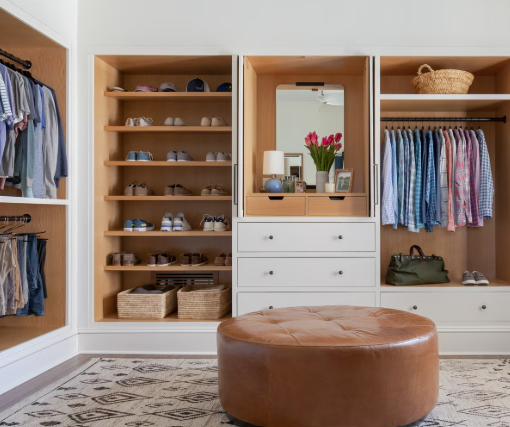
A well-organised wardrobe can change the way you begin and end your day. Instead of searching through piles of clothes, struggling with overflowing shelves, or wondering where to keep accessories, imagine opening your wardrobe and finding everything exactly where it belongs. When storage is planned thoughtfully, even a compact bedroom can feel spacious, calm, and effortlessly organised. The right wardrobe storage solutions can combine practical functionality with an elegant appearance, making everyday routines smoother while complementing the overall interior design of your home.
Why Smart Wardrobe Storage Matters
A wardrobe is much more than a place to hang clothes. It is an important part of bedroom planning and has a direct impact on how efficiently the available space is used. A poorly planned wardrobe can quickly become cluttered, while a thoughtfully designed one can accommodate clothing, footwear, accessories, bags, and personal essentials without making the room feel crowded.
Smart storage begins with understanding your lifestyle. Someone with an extensive collection of formal wear may need more hanging space, while another person may benefit from additional drawers and open shelves. Families may require separate compartments for different members, whereas compact apartments often need every available inch to be utilised effectively.
Make the Most of Vertical Space
One of the simplest ways to increase wardrobe capacity is to think vertically. Many wardrobes leave unused space above the primary hanging section, even though this area can be extremely useful for storing seasonal or less frequently used items. Vertical compartments can also help separate frequently used belongings from items that are required only occasionally. This keeps everyday essentials within easy reach while allowing the upper sections to serve as practical long-term storage.
Install additional shelves above the regular hanging sections to accommodate:
- Winter clothing and blankets
- Travel bags and suitcases
- Extra bedding
- Seasonal accessories
- Storage boxes
- Special-occasion clothing
Create Dedicated Zones for Different Needs
Organisation becomes easier when the wardrobe is divided into specific functional zones. Instead of placing everything randomly, assign an area for each category of belongings. A well-planned wardrobe can include a combination of long-hanging sections for dresses and coats, shorter hanging areas for shirts and trousers, drawers for smaller garments, and shelves for folded clothing.
Dedicated spaces for handbags, watches, jewellery, and footwear can further reduce clutter. This zoning approach also makes it easier to maintain the wardrobe over time. When every item has a logical location, putting things back becomes a simple habit rather than a tedious chore.
Use Drawers for Smaller Essentials
Open shelves are useful for larger items, but smaller belongings can quickly make them appear messy. Drawers provide a cleaner and more organised alternative for items such as innerwear, socks, scarves, belts, and other accessories. Soft-close drawers can add a refined touch while improving everyday convenience. Internal dividers can also be introduced to create separate sections within drawers, preventing smaller items from becoming mixed together. For accessories, shallow drawers are particularly effective. They allow items to remain visible and accessible without requiring extensive searching.
Add Adjustable Shelving
Lifestyle needs can change over time. The clothes you own today may not be the same as those you need a few years from now. Adjustable shelving therefore offers valuable flexibility. Movable shelves allow homeowners to modify the internal layout according to changing storage requirements. A taller section can accommodate larger bags or boxes, while additional shelf levels can be created when more folded clothing needs to be stored.
Incorporate Smart Accessories
Small wardrobe accessories can make a surprisingly significant difference to daily organisation. Pull-out trouser racks, tie holders, belt organisers, laundry baskets, and accessory trays can help utilise internal space more effectively.
For deeper wardrobes, pull-down hanging rods can make upper sections easier to access. Similarly, pull-out baskets can provide convenient storage for frequently used items while keeping the wardrobe visually neat. Lighting is another useful addition. Integrated LED lighting can illuminate darker corners and make it easier to identify clothing and accessories, particularly in wardrobes with deep compartments.
Choose Storage According to Your Room
The size and layout of the bedroom should influence the wardrobe design. In compact rooms, sliding wardrobes can help save floor space because they do not require additional clearance for opening doors. They can also create a streamlined appearance that complements contemporary interiors.
Larger bedrooms offer greater flexibility. Walk-in wardrobes, dressing areas, or full-height wardrobes can be considered where space permits. However, a larger wardrobe does not automatically mean better organisation. The internal configuration should still be planned around the user’s habits and storage requirements.
Think Beyond Clothing
A modern wardrobe can accommodate much more than everyday clothing. With thoughtful planning, it can include dedicated compartments for shoes, handbags, luggage, accessories, documents, and other personal items.
For families, separate storage zones can make shared wardrobes easier to manage. In children’s bedrooms, lower shelves and accessible drawers can encourage independent organisation. In master bedrooms, specialised compartments can provide a more personalised experience for each user.
See also: Why Kiolopobgofit Important: Understanding Its Health Benefits
Maintain an Organised Wardrobe
Even the most thoughtfully designed wardrobe needs regular maintenance. A simple organisation routine can prevent clutter from returning. Start by reviewing the contents periodically and removing items that are no longer used. Group similar clothing together and keep frequently worn pieces in easily accessible sections. Seasonal items can be moved to higher compartments when they are not needed.
Conclusion
An organised wardrobe can make everyday routines more comfortable while helping a bedroom remain uncluttered and visually inviting. From vertical storage and dedicated compartments to adjustable shelves, specialised accessories, and integrated lighting, every detail can contribute to a more efficient experience. The right approach is to understand how the space will be used and then create storage around those real-life requirements.
For homeowners seeking interiors where functionality and refined design work together, designer wooden furniture Bangalore can become an important part of creating a cohesive and personalised home. WeDezine Studio follows a design philosophy that brings together creative thinking, careful planning, craftsmanship, and practical execution. Their approach focuses on understanding individual aspirations while creating spaces that remain elegant, functional, and relevant beyond passing trends. With an emphasis on collaboration between design professionals and skilled craftsmen, WeDezine Studio brings thoughtful detailing into every aspect of an interior, helping homeowners transform everyday spaces into experiences that feel distinctly their own.