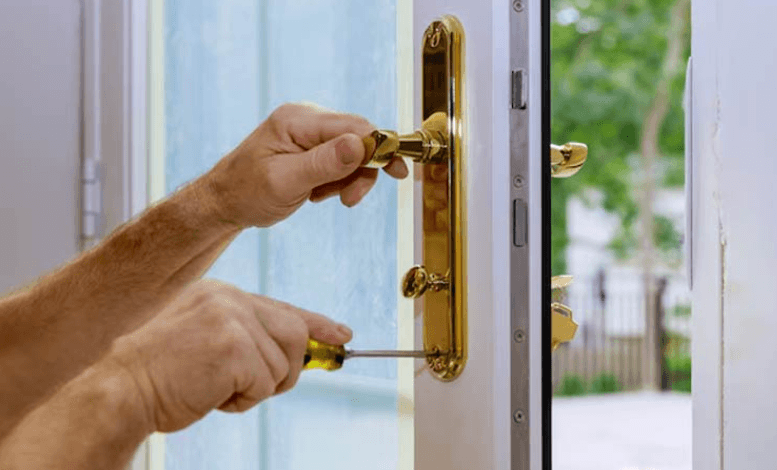
Searches for “deadbolts” often mix American and UK lock language. In the UK, the closest everyday equivalent is usually a mortice deadlock or sashlock on a timber door, while uPVC and composite doors normally use a multi-point mechanism with a euro cylinder. The goal is the same: a strong bolt or locking system that resists forced entry, supports insurance requirements and works reliably every day.
Upgrading to high-security locking is not just about fitting the biggest lock on the shelf according to LocksmithLocal, one of the UK’s most trusted team of locksmiths. The door material, frame, hinges, cylinder, key control and escape needs all matter. A strong lock fitted to a weak door is not a strong entrance.
Start with the door type
Timber doors often accept mortice deadlocks and sashlocks. A deadlock has a bolt operated by a key. A sashlock combines a latch and a deadbolt, usually with handles. A night latch can add convenience, but it is not always enough as the only lock on a main entrance unless it is a high-security model fitted correctly.
uPVC and composite doors usually use multi-point locks. Lifting the handle throws hooks, rollers or bolts into the frame, then the key locks the mechanism. On these doors, upgrading the euro cylinder to an anti-snap model may be more appropriate than adding a separate deadbolt. Adding random extra locks to a multi-point door can damage the slab, interfere with warranties and create alignment problems.
Patio, French and sliding doors need their own approach. Hook bolts, anti-lift devices, secure cylinders and auxiliary locks may be more useful than a traditional deadbolt.
Know what “high security” should mean
High security should mean tested, correctly fitted and suitable for the risk. For timber external doors, many homeowners look for British Standard mortice locks where their insurance requires them. For euro cylinder doors, anti-snap, anti-drill, anti-pick and anti-bump features are important, with correct cylinder length and protective furniture.
Marketing language can be vague. Phrases such as “premium”, “heavy duty” and “security lock” are not enough by themselves. Ask what standard the lock meets, why it suits your door and how it will be fitted. The installation is part of the security. A lock that is misaligned, poorly recessed or paired with weak screws will not perform as intended.
Upgrade the frame as well as the lock
A deadbolt throws into a keep or strike plate in the frame. If that keep is weak, loose or fixed with short screws into soft timber, the door may still be vulnerable to force. A proper upgrade checks the frame, keep, door thickness and hinge side. On timber doors, longer screws, a reinforced keep and good hinge bolts can make a big difference.
On uPVC doors, the equivalent is the relationship between hooks or rollers and the keeps. If the keeps are misaligned, the mechanism strains and may not fully secure. A locksmith should test the door open and closed and adjust the keeps where needed. Smooth operation is a security feature because it means the mechanism is fully engaging.
Think about key control
A high-security lock is less useful if keys can be copied freely without your knowledge. Standard keys are easy to duplicate. Restricted key systems limit copying to authorised people and can be useful for landlords, carers, shared homes or homeowners who regularly give temporary access.
For a normal household, the biggest key-control step is changing locks when you move in and replacing cylinders when keys are lost or stolen. For larger homes, outbuildings or staff access, a planned keyed-alike or restricted system may be worth considering. Convenience matters, but one key opening everything also means one lost key can compromise everything.
Consider escape and everyday use
Security must not trap people inside. Some locks require a key to exit. Others use a thumbturn on the inside. Thumbturns are convenient and can help with emergency exit, but they need careful thought if the door has glass panels or a letterplate near the lock. A burglar reaching the thumbturn through a letterbox or broken pane is a real concern on some doors.
The right answer depends on the door design and household. Families with children, older relatives or guests may value quick exit. Doors with nearby glass may need extra protection. Flats, HMOs and shared buildings may have fire-safety considerations that go beyond ordinary homeowner choices.
Do you need extra locks?
Sometimes yes, often no. A solid timber front door may benefit from a high-quality mortice deadlock plus a suitable night latch. French doors may benefit from mortice rack bolts or proper auxiliary locking. A garage side door may need a better deadlock and hinge security. But a uPVC door with a healthy multi-point mechanism usually benefits more from a correct anti-snap cylinder and alignment than from extra surface locks.
Too many locks can reduce usability. If a door is awkward to secure, people stop using every lock. The best security is strong enough and simple enough that everyone uses it every time.
Common upgrade mistakes
The most common mistake is buying a lock before diagnosing the door. Another is focusing on the key cylinder while ignoring the frame. A third is choosing a lock that does not meet insurance wording. A fourth is fitting a cylinder that is too long. A fifth is ignoring worn hinges, loose handles or a door that has already dropped.
A proper survey asks: where is the likely attack point, what standard is needed, how does the door move, what hardware is already there, who needs access and how will people get out in an emergency?
See also: Drainage Issues That Could Lower the Value of Your Home
What a locksmith should check
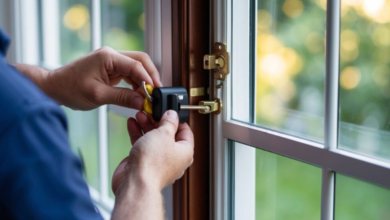
For a timber door, expect checks on door thickness, existing mortice cut-out, backset, keep, frame strength, hinge side, night latch condition and whether the lock can be upgraded without weakening the door. For uPVC or composite, expect checks on cylinder length, handle security, multi-point gearbox, locking hooks, keeps, alignment and whether the cylinder is anti-snap.
The locksmith should also ask why you are upgrading. Moving home, burglary concerns, insurance wording, rental use and repeated lock faults all lead to different recommendations.
Is it worth the cost?
Usually, yes, if the current door has basic or outdated locks. A high-security upgrade is modest compared with the cost and stress of a break-in. It can also reduce daily frustration if your current lock is stiff or unreliable. The value comes from a system that is secure, smooth and appropriate.
Avoid upgrading one visible part while leaving an obvious weakness elsewhere. A premium deadlock on a rotten frame is false confidence. A top cylinder on a misaligned uPVC door will still wear quickly. Spend where it changes the real risk.
The practical route
Start with an assessment, not a shopping basket. Identify the door type, the existing lock, any insurance requirements and how the door is used. Then choose the simplest upgrade that gives proper security: often a British Standard mortice lock on timber, an anti-snap cylinder on uPVC or composite, improved patio door hardware, or a combination of frame reinforcement and lock replacement.