Background
Most parents believe that the amount of time children spend in front of a screen is the single biggest factor shaping their wellbeing. Parenting blogs and family forums often reduce the conversation to a numbers game, urging caregivers to track hours and set strict limits. This focus on quantity has dominated household rules for years, pushing content quality into the background. Yet a growing body of observation from educators and pediatric specialists suggests that what children watch may matter just as much as how long they watch it. That shift in thinking is worth examining before assuming the old rules still apply.
Family media habits have changed dramatically over the past decade, with streaming platforms replacing scheduled programming and algorithms deciding what appears next. Children now encounter a wider range of content than any previous generation, often without much curation from adults. Parents juggling work, school schedules, and extracurricular activities frequently rely on convenience rather than careful selection when choosing what their kids watch. This environment has made it harder to separate genuinely enriching programming from content that simply fills time. Understanding these shifts sets the stage for looking more closely at what current research actually shows.
What the Research Shows
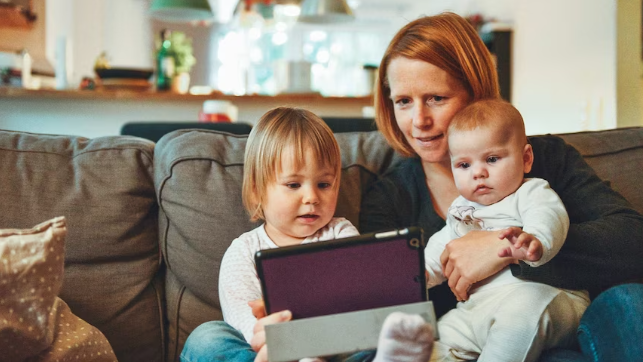
Recent surveys of family viewing habits indicate that children exposed to story-driven, values-based programming show stronger recall of lessons about kindness, honesty, and perseverance compared to peers who watch purely entertainment-focused shows. Some families have started incorporating options such as religious films for kids into weekly routines, using shared viewing time as a springboard for conversations about character and faith. Educators note that children retain narrative lessons better when the material connects to family discussions afterward rather than being consumed passively. This pattern holds across different age groups, from early elementary years through adolescence.
Researchers studying attention and mood in children have also found that the emotional tone of content shapes behavior after viewing ends. Programs built around cooperation and empathy tend to correlate with calmer post-viewing behavior, while high-stimulation content can leave children more restless or irritable. None of this suggests that entertainment value should be dismissed, since enjoyment still plays a role in whether children engage with lessons at all. The data instead points toward balance, pairing enjoyable stories with substance that holds up to repeated viewing. Public health researchers examining broader family routines, including sleep and physical activity alongside screen habits, have reached similar conclusions about the value of intentional choices over passive consumption.
See also: Life Story of About Datrihelminen Life
Practical Takeaways
Families looking to apply these findings might start by reviewing what already sits in their streaming queue and asking whether the content sparks conversation or simply passes time. Setting aside even fifteen minutes after a show to talk about what happened and why characters made certain choices can reinforce lessons far more than the viewing itself. Rotating in programming with clear moral or spiritual themes alongside lighter entertainment keeps variety without sacrificing substance. Small adjustments like these tend to be more sustainable than strict time limits that often generate friction at home.
Parents interested in broader guidance on building healthy family routines can consult established public health guidance, including CDC health and wellness resources, which covers sleep, physical activity, and screen habits for children at different ages. Combining that general framework with thoughtful choices about content creates a more complete approach to family wellbeing than focusing on screen time limits alone. Media habits will keep evolving as new platforms and formats emerge, but the underlying principle stays steady: what children watch, and how adults engage with them about it, shapes outcomes more than raw hours logged in front of a screen. Families who treat viewing time as an opportunity for connection rather than a problem to manage tend to report smoother routines and fewer conflicts over screens at home.