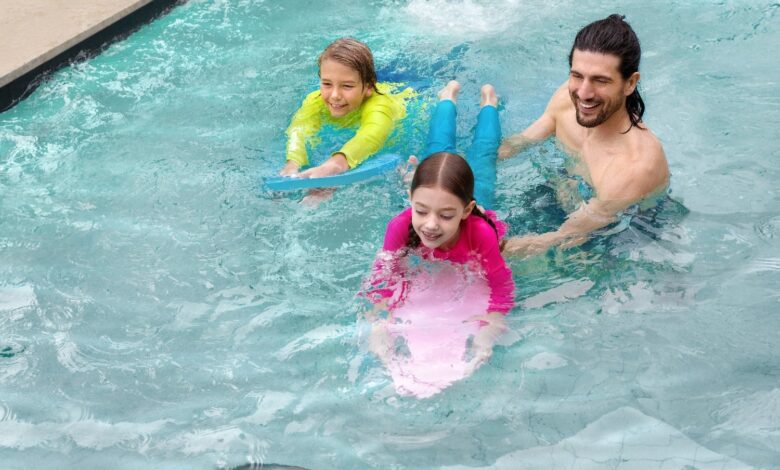
For many beginners, the idea of swimming regularly sounds appealing in theory but feels daunting in practice. Traditional lap swimming demands technique, endurance, and confidence that new swimmers simply haven’t developed yet. Crowded lanes, the intimidation of keeping pace with experienced swimmers, and the physical strain on joints and muscles can quickly turn enthusiasm into frustration. If you’ve ever felt overwhelmed stepping into a pool, you’re not alone.
Swimming pool jets offer a different approach entirely. These systems generate controllable currents directly in your pool, allowing you to swim in place against a steady flow of water. Think of it as a treadmill for swimming—you set the pace, you control the intensity, and you never have to worry about flipping at a wall or sharing space. But here’s the challenge: with dozens of models, varying power levels, and different installation requirements, choosing the right swim jet can feel just as overwhelming as the swimming itself. This guide cuts through the confusion. Whether you’re recovering from an injury, easing into fitness, or simply looking for a low-impact way to stay active, we’ll walk you through exactly what to look for, compare your options, and help you find the swim jet that matches your needs as a beginner.
Why Low-Impact Movement with Swim Jets is Ideal for Beginners
When you swim against a swim jet’s current, the water does something remarkable—it supports your body while simultaneously providing resistance. Unlike running on pavement or lifting weights, where gravity and impact stress your joints, gentle currents create an environment where your muscles work without the jarring forces that lead to injury. For beginners, this distinction matters enormously. Your knees, hips, and spine remain protected while your cardiovascular system gets a genuine workout.
The beauty of low-impact movement in water lies in its adaptability. A swim jet set to a mild flow lets you focus on form and breathing without gasping for air or fighting exhaustion. You build aerobic capacity gradually, strengthening your heart and lungs at a pace your body can sustain. Meanwhile, the water’s natural resistance tones muscles across your entire body—shoulders, core, legs—without requiring you to master complex stroke techniques right away.
For those recovering from surgery, managing arthritis, or simply starting a fitness journey after years of inactivity, gentle currents offer something traditional exercise cannot: progressive challenge without progressive risk. You control the intensity completely. Start with barely perceptible flow and increase it over weeks as your confidence and stamina grow. This makes swim jets particularly valuable for rehabilitation patients who need consistent, controlled movement to regain strength. Beginners should prioritize this adjustability above all else because it transforms a pool from an intimidating training ground into a forgiving, personalized fitness space that grows with you.
See also: What Is A Home Security Survey & How Does It Work
Key Factors to Consider When Choosing Your Swim Jet
Selecting the right swim jet isn’t about finding the most powerful or most expensive option—it’s about matching the system to your specific situation. Beginners often make the mistake of overbuying or underestimating how their environment affects performance. Before browsing models, take time to evaluate three critical areas: your personal goals, your physical space, and the features that will actually serve you day to day.
Assessing Your Personal Goals and Pool Setup
Start by asking yourself what you actually want from a swim jet. Are you rehabilitating a knee injury and need gentle, consistent resistance? Are you building cardiovascular endurance from scratch? Or do you want a versatile system that grows with you as your abilities improve? Your answer shapes everything from flow strength to installation complexity. Next, examine your pool setup honestly. Measure your pool’s dimensions—length, width, and depth all influence how effectively a jet current travels. A swim jet in a small plunge pool behaves differently than one installed in a full-sized backyard pool. Consider your existing filtration and plumbing infrastructure as well. Some systems integrate seamlessly with current equipment, while others require significant modifications. Wall-mounted jets need structural support, whereas portable or retrofit units offer flexibility for pools not originally designed for current swimming. Understanding these constraints upfront prevents costly surprises later.
Essential Features: Flow Rate, Adjustability, and Ease of Use
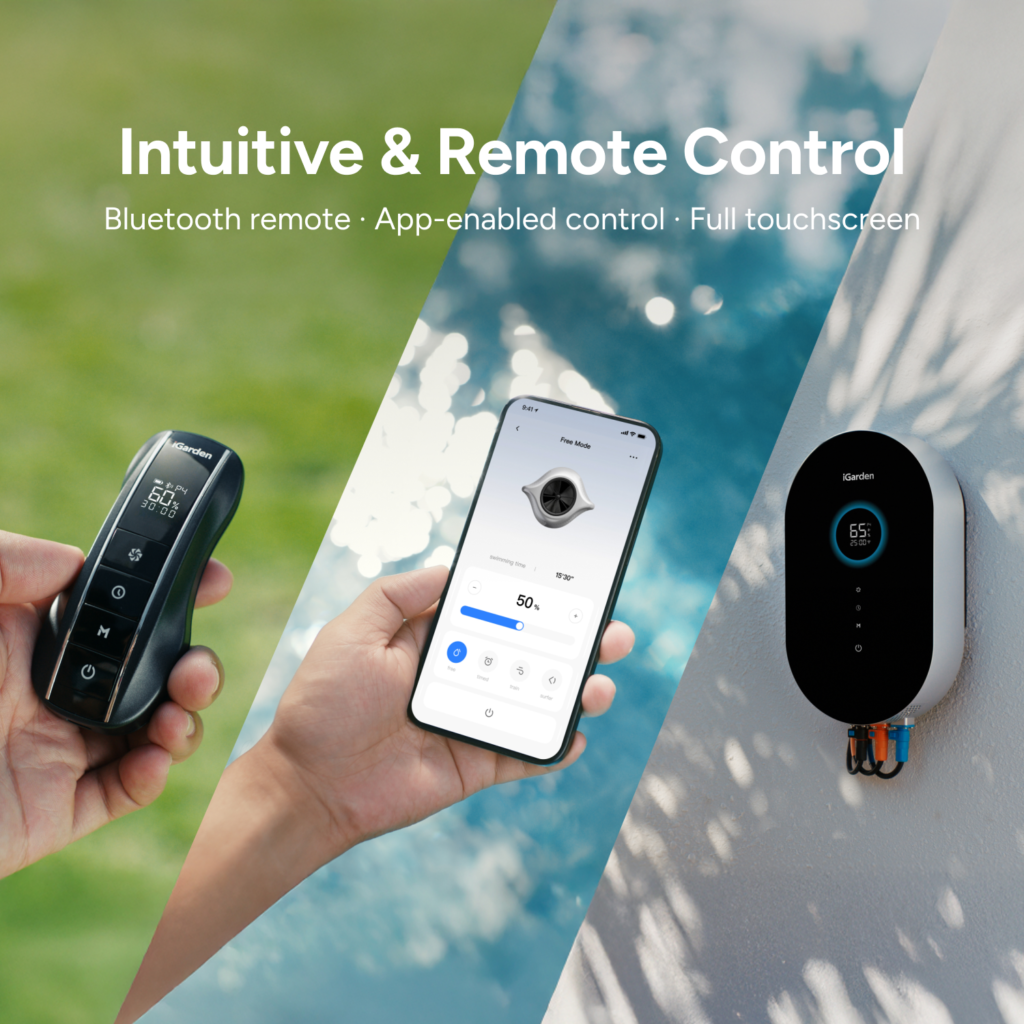
Flow rate determines how fast and wide the current moves, and for beginners, a system offering lower starting speeds is non-negotiable. Look for jets that produce a smooth, laminar flow rather than turbulent bursts—turbulence disrupts your stroke and creates an uneven swimming experience. Adjustability ranks equally high. You want precise speed control, ideally with multiple increments rather than just two or three fixed settings. This granularity lets you increase difficulty in small steps, which keeps workouts challenging without overwhelming you. Finally, prioritize ease of use. Remote controls, intuitive digital panels, and simple on/off mechanisms mean you’ll actually use the system consistently. If adjusting settings requires climbing out of the pool or navigating complicated menus, motivation disappears quickly. Durable construction and low-maintenance components also matter—beginners benefit from systems that demand minimal upkeep so the focus stays on swimming, not troubleshooting equipment.
Swim Jet Comparison: Evaluating Models Including the P Series
With so many swim jet systems available, a structured swim jet comparison helps beginners cut through marketing noise and focus on what genuinely serves their needs. The differences between models often come down to how they generate current, how precisely you can control that current, and how reliably they perform over time. Rather than chasing specifications that matter only to competitive swimmers, beginners should evaluate systems based on consistency of flow, energy consumption, and how well each model supports progressive training.
Understanding the P Series: Features and Benefits
The P Series stands out in the beginner-friendly category for several practical reasons. These units deliver consistent gentle currents through engineered propulsion systems designed to produce wide, smooth streams of water rather than narrow, forceful jets. This wider current envelope means you don’t need to maintain a perfectly centered position to stay in the flow—a significant advantage when you’re still developing spatial awareness in the water. The P Series also emphasizes energy efficiency, running at lower power consumption levels compared to many turbine-based alternatives. For homeowners concerned about monthly operating costs, this translates to more frequent use without budget anxiety. Speed adjustability across a broad range allows genuine progression from rehabilitation-level flows to moderate fitness intensities, all within a single unit. The intuitive control systems reduce the learning curve, letting beginners focus entirely on their swimming rather than managing technology.
Comparing Other Popular Models for Beginners
Beyond the P Series, several other swim jet categories deserve consideration. Propeller-driven systems from various manufacturers offer strong performance but sometimes produce more turbulence at lower speeds, which can feel disorienting for new swimmers. Paddlewheel-style units generate exceptionally smooth currents but tend to occupy more physical space and may require more involved installation. Retrofit jet systems that attach to existing pool walls provide an affordable entry point, though their flow width and adjustability often lag behind purpose-built solutions. When comparing models, pay attention to real-world user reviews from beginners specifically—experienced swimmers tolerate imperfections that frustrate newcomers. The best system for you balances smooth low-speed performance, reliable construction, and a control interface you’ll actually enjoy using session after session.
Step-by-Step Guide to Selecting and Implementing Your Swim Jet
The selection process becomes manageable when you break it into concrete steps rather than trying to evaluate everything simultaneously. Begin by defining your budget range and non-negotiable features—adjustable gentle currents and smooth low-speed performance should top every beginner’s list. Next, research three to five models that fit your criteria, focusing specifically on user testimonials from people at your fitness level rather than competitive athletes. Request demonstrations whenever possible; many dealers offer in-water trials or video consultations that reveal how a current actually feels at various speeds.
Once you’ve narrowed your options, consult a pool professional who can assess your specific installation requirements. They’ll identify whether your electrical system supports the unit’s demands, whether your pool walls can accommodate mounting hardware, and whether plumbing modifications are necessary. This consultation often saves thousands in unexpected costs. Before committing, ask manufacturers about warranty coverage, customer support responsiveness, and availability of replacement parts in your region. After purchase, schedule professional installation rather than attempting DIY work—improper setup compromises both performance and safety. Finally, give yourself a two-week adjustment period after installation. Swim at the lowest settings initially, familiarize yourself with the controls, and gradually explore higher intensities. Document your sessions to track how quickly your endurance improves, which reinforces motivation and helps you recognize when it’s time to increase the challenge.
Setting Up Your Pool for Optimal Gentle Currents
Proper pool setup determines whether your swim jet delivers the smooth, consistent gentle currents that make low-impact movement effective or produces choppy, frustrating turbulence. Positioning matters more than most beginners realize. Install your jet at a depth that aligns with your chest when standing—this ensures the current hits your body’s center of mass during swimming, creating natural resistance without pushing you off balance. The jet should face the longest unobstructed stretch of your pool, giving the current space to develop a uniform flow pattern before reaching you.
Keep the area directly in front of the jet clear of ladders, steps, or floating accessories that disrupt water flow. A distance of at least three meters between you and the jet outlet typically produces the smoothest swimming experience, though this varies by model and power setting. For optimal gentle currents, ensure your pool’s water level remains consistent—even a few centimeters of variation changes how the current interacts with your body and the pool walls.
Maintenance directly affects performance quality. Clean jet nozzles and intake screens monthly to prevent debris buildup that creates uneven flow. Check seals and mounting hardware quarterly for signs of corrosion or loosening, particularly in saltwater pools. Run the system briefly before each session to flush stagnant water from the lines. For homeowners who already manage their outdoor spaces through smart home platforms like iGarden, integrating swim jet scheduling and maintenance reminders into your existing system can streamline upkeep significantly. Safety checks should include verifying that electrical connections remain watertight, that ground fault protection functions properly, and that emergency shutoff switches respond instantly. A well-maintained pool setup rewards you with years of reliable, gentle resistance that supports your ongoing fitness progression without interruption.
Finding Your Perfect Swim Jet as a Beginner
Choosing the right swim jet as a beginner doesn’t require expertise—it requires clarity about what matters most. Low-impact movement through gentle currents protects your joints while building real cardiovascular strength and muscle tone, making swim jets an ideal entry point for anyone new to fitness or recovering from injury. The selection process comes down to matching your personal goals and pool setup with a system that offers smooth, adjustable flow at beginner-friendly speeds. Models like the P Series demonstrate how purpose-built engineering can deliver wide, consistent currents with intuitive controls, though comparing multiple options ensures you find the best fit for your specific situation.
From initial research and professional consultation through installation and ongoing maintenance, each step builds toward a swimming experience tailored entirely to you. No crowded lanes, no pressure to keep pace, no jarring impact on tired joints. Take this guide, assess your space and goals honestly, and invest in a system that meets you where you are today while supporting where you want to be tomorrow. The water is waiting—and with the right swim jet, it works with you rather than against you.